Sunday, 31 August 2025

healthy food

 These 8 practical tips cover the basics of healthy eating and can help you make healthier choices.

The key to a healthy diet is to eat the right amount of calories for how active you are so you balance the energy you consume with the energy you use.

If you eat or drink more than your body needs, you'll put on weight because the energy you do not use is stored as fat. If you eat and drink too little, you'll lose weight.

You should also eat a wide range of foods to make sure you're getting a balanced diet and your body is receiving all the nutrients it needs.

It's recommended that men have around 2,500 calories a day (10,500 kilojoules). Women should have around 2,000 calories a day (8,400 kilojoules).

Most adults in the UK are eating more calories than they need and should eat fewer calories.

1. Base your meals on higher fibre starchy carbohydrates

Starchy carbohydrates should make up just over a third of the food you eat. They include potatoes, bread, rice, pasta and cereals.

Choose higher fibre or wholegrain varieties, such as wholewheat pasta, brown rice or potatoes with their skins on.

They contain more fibre than white or refined starchy carbohydrates and can help you feel full for longer.

Try to include at least 1 starchy food with each main meal. Some people think starchy foods are fattening, but gram for gram the carbohydrate they contain provides fewer than half the calories of fat.

Keep an eye on the fats you add when you're cooking or serving these types of foods because that's what increases the calorie content – for example, oil on chips, butter on bread and creamy sauces on pasta.

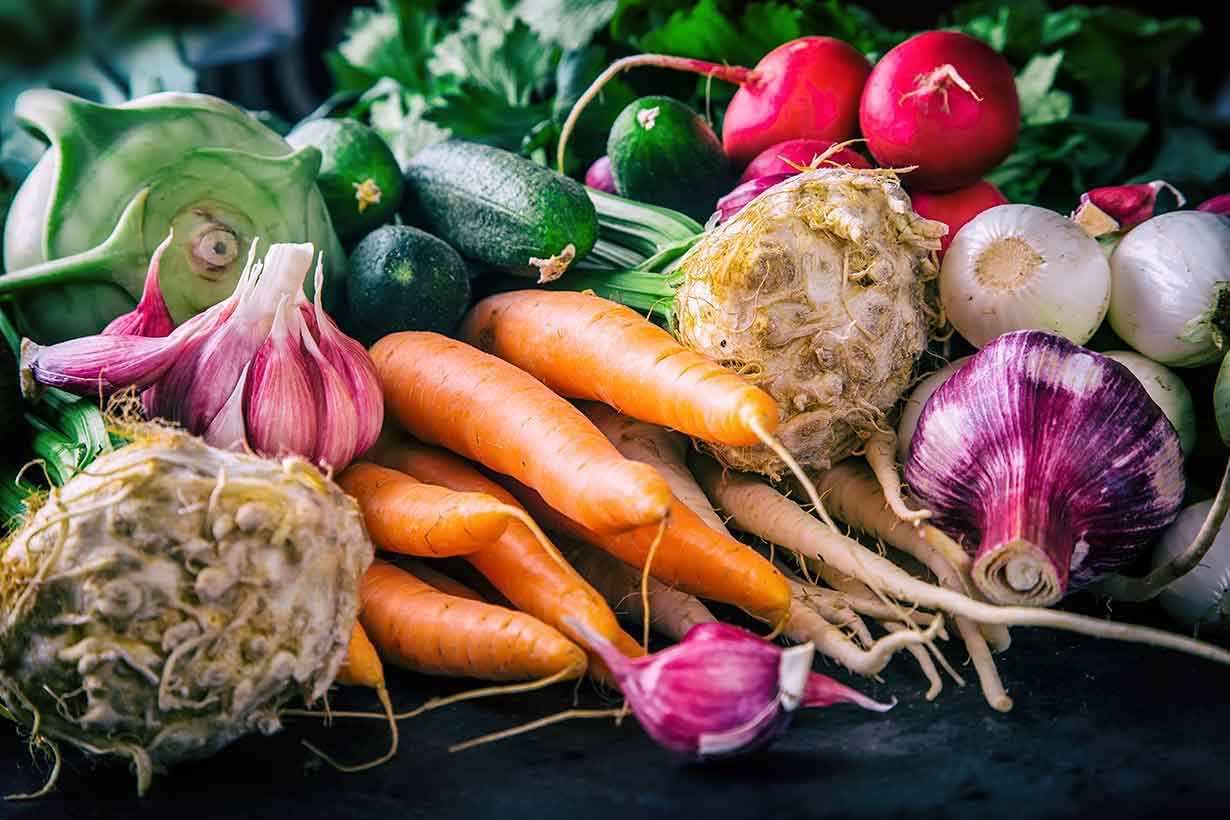
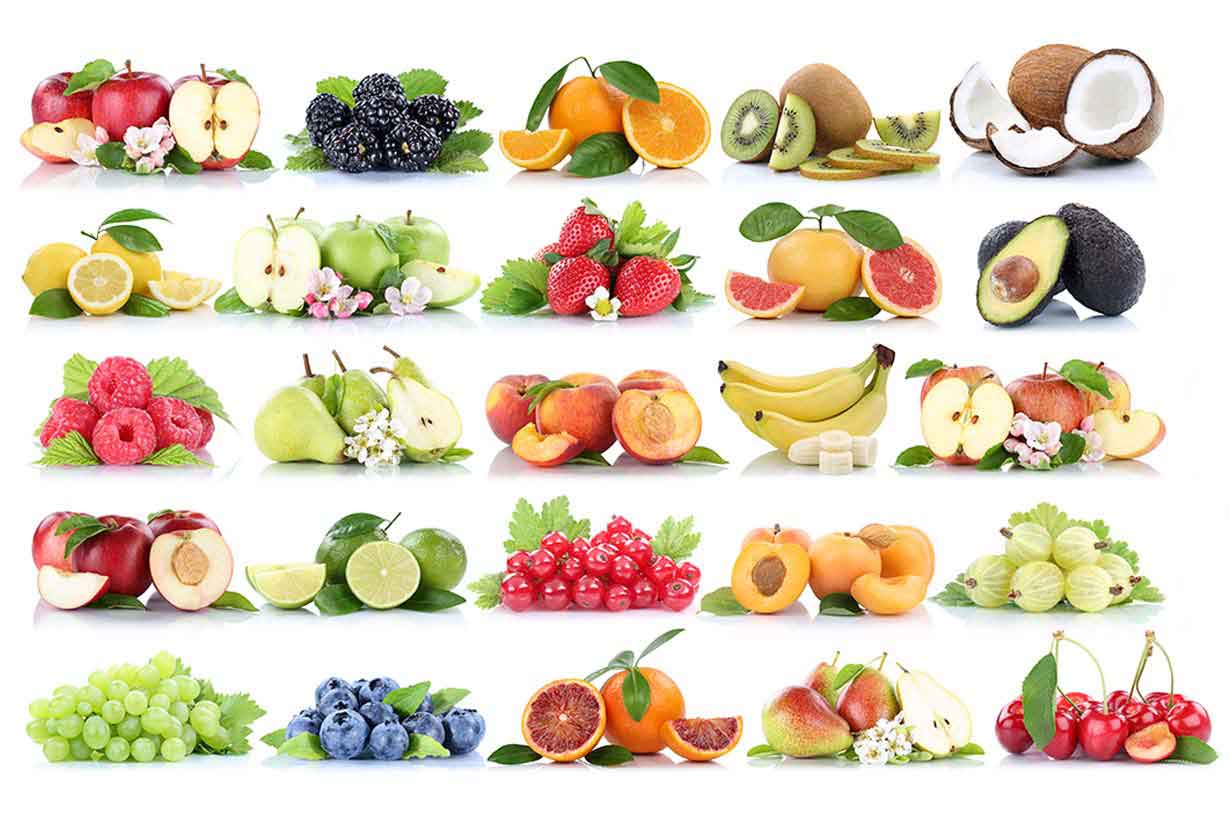
2. Eat lots of fruit and veg

It's recommended that you eat at least 5 portions of a variety of fruit and veg every day. They can be fresh, frozen, canned, dried or juiced.

Getting your 5 A Day is easier than it sounds. Why not chop a banana over your breakfast cereal, or swap your usual mid-morning snack for a piece of fresh fruit?

A portion of fresh, canned or frozen fruit and vegetables is 80g. A portion of dried fruit (which should be kept to mealtimes) is 30g.

A 150ml glass of fruit juice, vegetable juice or smoothie also counts as 1 portion, but limit the amount you have to no more than 1 glass a day as these drinks are sugary and can damage your teeth.

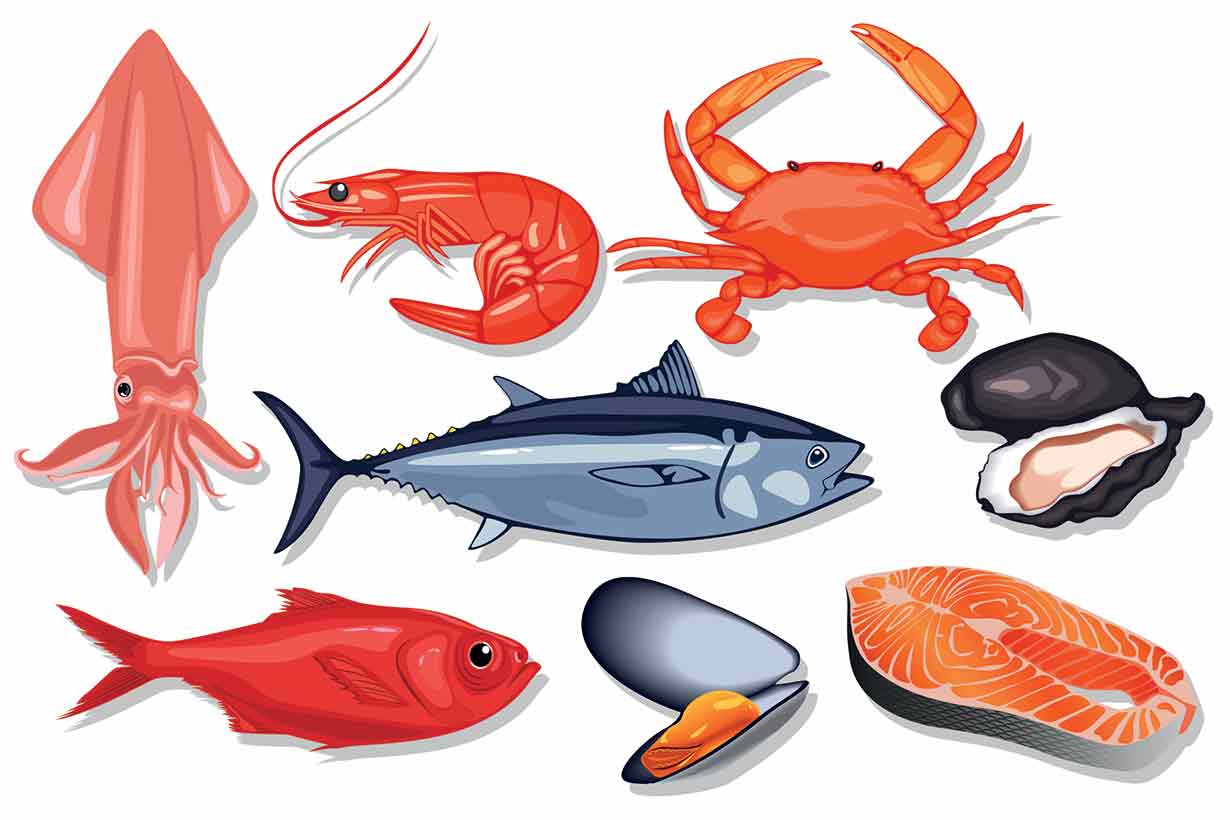
3. Eat more fish, including a portion of oily fish

Fish is a good source of protein and contains many vitamins and minerals.

Aim to eat at least 2 portions of fish a week, including at least 1 portion of oily fish.

Oily fish are high in omega-3 fats, which may help prevent heart disease. 

Oily fish include:

  • salmon
  • trout
  • herring
  • sardines
  • pilchards
  • mackerel

Non-oily fish include:

  • haddock
  • plaice
  • coley
  • cod
  • tuna
  • skate
  • hake

You can choose from fresh, frozen and canned, but remember that canned and smoked fish can be high in salt.

Most people should be eating more fish, but there are recommended limits for some types of fish.

Find out more about fish and shellfish

4. Cut down on saturated fat and sugar

Saturated fat

You need some fat in your diet, but it's important to pay attention to the amount and type of fat you're eating.

There are 2 main types of fat: saturated and unsaturated. Too much saturated fat can increase the amount of cholesterol in the blood, which increases your risk of developing heart disease.

On average, men should have no more than 30g of saturated fat a day. On average, women should have no more than 20g of saturated fat a day.

Children under the age of 11 should have less saturated fat than adults, but a low-fat diet is not suitable for children under 5. In addition, full-fat dairy products, such as cheese, fromage frais and yoghurt, are recommended up to the age of 2 years.

Saturated fat is found in many foods, such as:

  • fatty cuts of meat
  • sausages
  • butter
  • hard cheese
  • cream
  • cakes
  • biscuits
  • lard
  • pies

Try to eat less saturated fat and choose foods that contain unsaturated fats instead, such as vegetable oils and spreads, oily fish and avocados.

For a healthier choice, use a small amount of vegetable or olive oil, or reduced-fat spread instead of butter, lard or ghee.

When you're having meat, choose lean cuts and cut off any visible fat.

All types of fat are high in energy, so they should only be eaten in small amounts.

Sugar

Regularly consuming foods and drinks high in sugar increases your risk of obesity and tooth decay.

Sugary foods and drinks are often high in energy (measured in kilojoules or calories), and if consumed too often can contribute to weight gain. They can also cause tooth decay, especially if eaten between meals.

Free sugars are any sugars added to foods or drinks, or found naturally in honey, syrups and unsweetened fruit juices and smoothies.

This is the type of sugar you should be cutting down on, rather than the sugar found in fruit and milk.

Many packaged foods and drinks contain surprisingly high amounts of free sugars.

Free sugars are found in many foods, such as:

  • sugary fizzy drinks
  • sugary breakfast cereals
  • cakes
  • biscuits
  • pastries and puddings
  • sweets and chocolate
  • alcoholic drinks

Food labels can help. Use them to check how much sugar foods contain.

More than 22.5g of total sugars per 100g means the food is high in sugar, while 5g of total sugars or less per 100g means the food is low in sugar.

Find out how to cut down on sugar in your diet

5. Eat less salt: no more than 6g a day for adults

Eating too much salt can raise your blood pressure. People with high blood pressure are more likely to develop heart disease or have a stroke.

Even if you do not add salt to your food, you may still be eating too much.

About three-quarters of the salt you eat is already in the food when you buy it, such as breakfast cereals, soups, breads and sauces.

Use food labels to help you cut down. More than 1.5g of salt per 100g means the food is high in salt.

Adults and children aged 11 and over should eat no more than 6g of salt (about a teaspoonful) a day. Younger children should have even less.

Get tips for a lower salt diet

6. Get active and be a healthy weight

As well as eating healthily, regular exercise may help reduce your risk of getting serious health conditions. It's also important for your overall health and wellbeing.

Read more about the benefits of exercise and physical activity guidelines for adults.

Being overweight or obese can lead to health conditions, such as type 2 diabetes, certain cancers, heart disease and stroke. Being underweight could also affect your health.

Most adults need to lose weight by eating fewer calories.

If you're trying to lose weight, aim to eat less and be more active. Eating a healthy, balanced diet can help you maintain a healthy weight.

Check whether you're a healthy weight by using the BMI healthy weight calculator.

Lose weight with the NHS weight loss plan, a 12-week weight loss guide that combines advice on healthier eating and physical activity.

If you're underweight, see underweight adults. If you're worried about your weight, ask your GP or a dietitian for advice.

7. Do not get thirsty

You need to drink plenty of fluids to stop you getting dehydrated. The government recommends drinking 6 to 8 glasses every day. This is in addition to the fluid you get from the food you eat. 

All non-alcoholic drinks count, but water, lower fat milk and lower sugar drinks, including tea and coffee, are healthier choices. 

Try to avoid sugary soft and fizzy drinks, as they're high in calories. They're also bad for your teeth. 

Even unsweetened fruit juice and smoothies are high in free sugar.

Your combined total of drinks from fruit juice, vegetable juice and smoothies should not be more than 150ml a day, which is a small glass.

Remember to drink more fluids during hot weather or while exercising.

8. Do not skip breakfast

Some people skip breakfast because they think it'll help them lose weight.

But a healthy breakfast high in fibre and low in fat, sugar and salt can form part of a balanced diet, and can help you get the nutrients you need for good health.

A wholegrain lower sugar cereal with semi-skimmed milk and fruit sliced over the top is a tasty and healthier breakfast.

Further information

Next review due: 22 November 2025
Sunday, 24 August 2025

Healthy Food


20 of the Healthiest Foods To Include In Your Diet

Welcome to our list of 20 of the healthiest foods—each chosen for its provision of key nutrients, compelling research-backed benefits, or both.

For each food, you can learn more about why it deserves a place on your plate.

There’s no ranking here, just 20 diverse foods to help you eat well, whatever diet style you prefer.

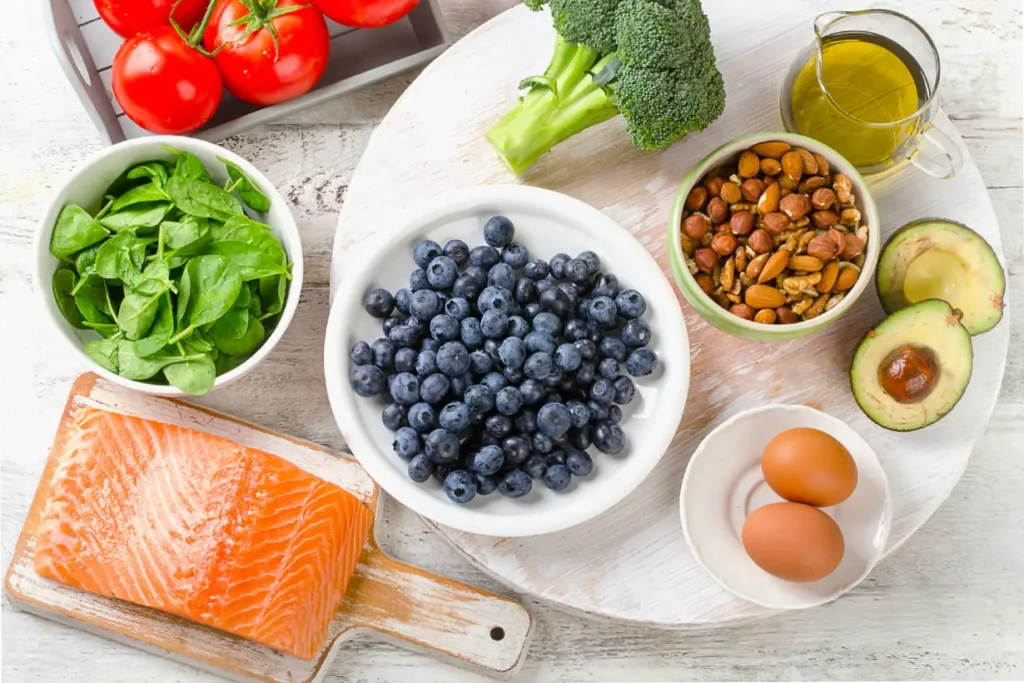
Some of the healthiest foods to include in your diet: blueberries, oily fish, vegetables nuts.

1. Blueberries

Blueberries are widely promoted as a healthy food, and there’s no wonder why.

These little berries are a rich source of

  • Fiber
  • Vitamin C
  • Anthocyanin flavonoids

Additionally, research indicates they may have some intriguing benefits.

For example, a 2024 systematic review and meta–analysis of 11 clinical trials examined the effect of blueberries on cardiovascular function (3).

The review found that blueberries significantly improved flow-mediated dilation (how well blood vessels expand) and lowered diastolic blood pressure.

Learn more about different types of fruit

2. Spinach

Spinach is a leafy green that packs a substantial amount of nutrients, and it is particularly high in (4):

  • Fiber
  • Folate
  • Vitamin A
  • Vitamin C
  • Lutein
  • Nitrate
  • Zeaxanthin

A 2015 randomized controlled trial investigated whether spinach could have benefits for heart health based on its high nitrate content (5).

This trial found that, compared to a low-nitrate control (asparagus), daily spinach intake over 7 days significantly lowered blood pressure.

Learn more about different types of vegetables

3. Salmon

Salmon is a common fish that offers a range of nutritional benefits, providing high levels of (6):

  • Protein
  • Omega-3 fatty acids
  • B Vitamins
  • Selenium
  • Vitamin D

A 2022 systematic review of 19 studies found that consumption of fatty fish like salmon was associated with a 17% lower risk of coronary heart disease (CHD) mortality and a 3% reduced risk of total mortality (7).

These associations were not found with lean fish.

Learn more about different types of seafood

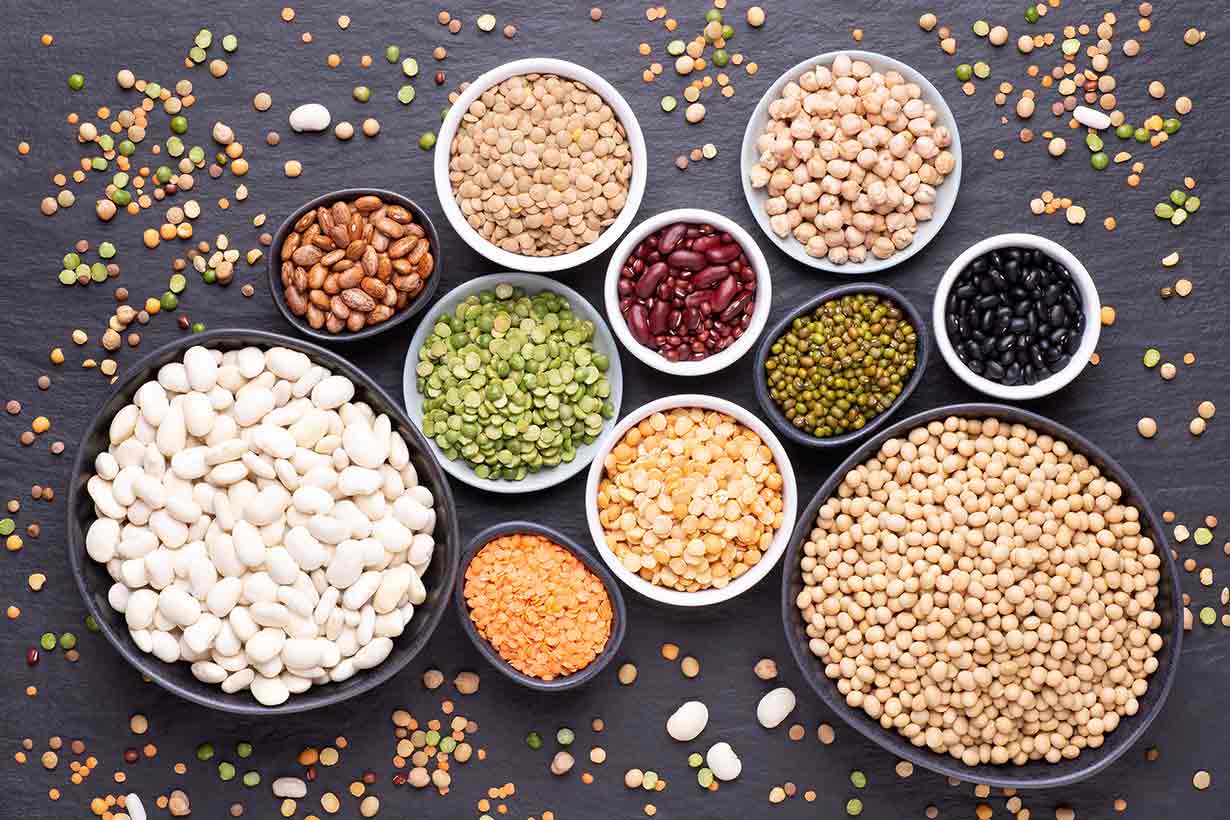
4. Lentils

Lentils are a legume variety that provide high amounts of (8):

  • Fiber
  • Protein
  • B vitamins
  • Folate
  • Copper
  • Iron
  • Manganese
  • Potassium

A randomized controlled trial published in 2024 demonstrated that consuming 980 grams of cooked lentils per week significantly lowered LDL cholesterol (LDL–C) (9).

Additionally, a 2021 systematic review found that regularly consuming legumes like lentils is linked to reduced blood pressure and a better lipid (cholesterol) profile (10).

Learn more about 25 legume varieties

5. Yogurt

Yogurt is a health-promoting dairy food that contains significant amounts of (11):

  • Protein
  • B vitamins
  • Calcium
  • Phosphorus
  • Probiotics

A 2022 systematic review involving 896,871 participants found that high intake of yogurt compared to low was associated with a 7% lower risk of all-cause mortality and an 11% reduced risk of cardiovascular disease (CVD) mortality (12).

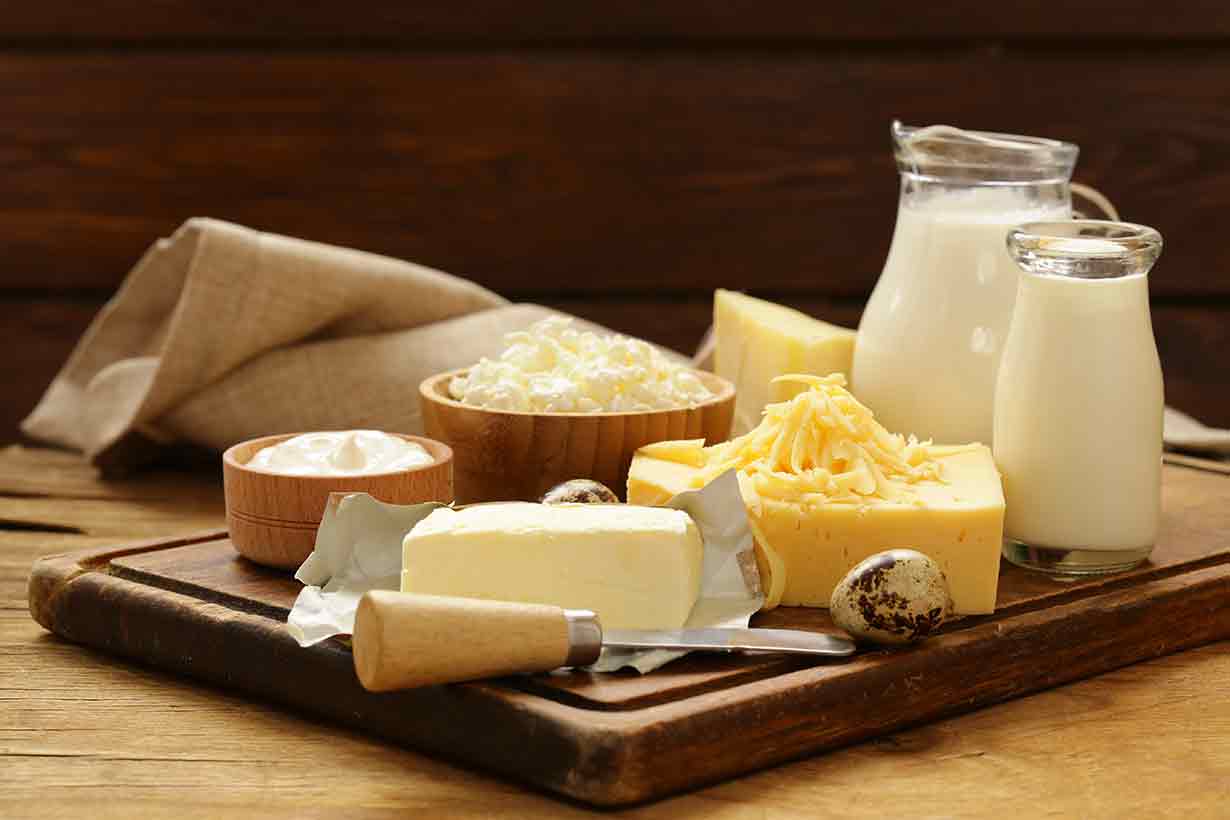
Find out more about dairy foods

6. Flaxseeds

Flaxseeds are little seeds that are often sold as a milled powder. They contain high amounts of (13):

  • Fiber
  • Polyunsaturated fat
  • Protein
  • Thiamin (B1)
  • Magnesium
  • Manganese

Systematic reviews of randomized controlled trials have demonstrated that flaxseeds can:

  • Slightly lower blood pressure when consumed as a habitual part of the diet (14).
  • Improve blood sugar and insulin control in people with prediabetes and type 2 diabetes (15).
  • Lower LDL cholesterol levels (16).

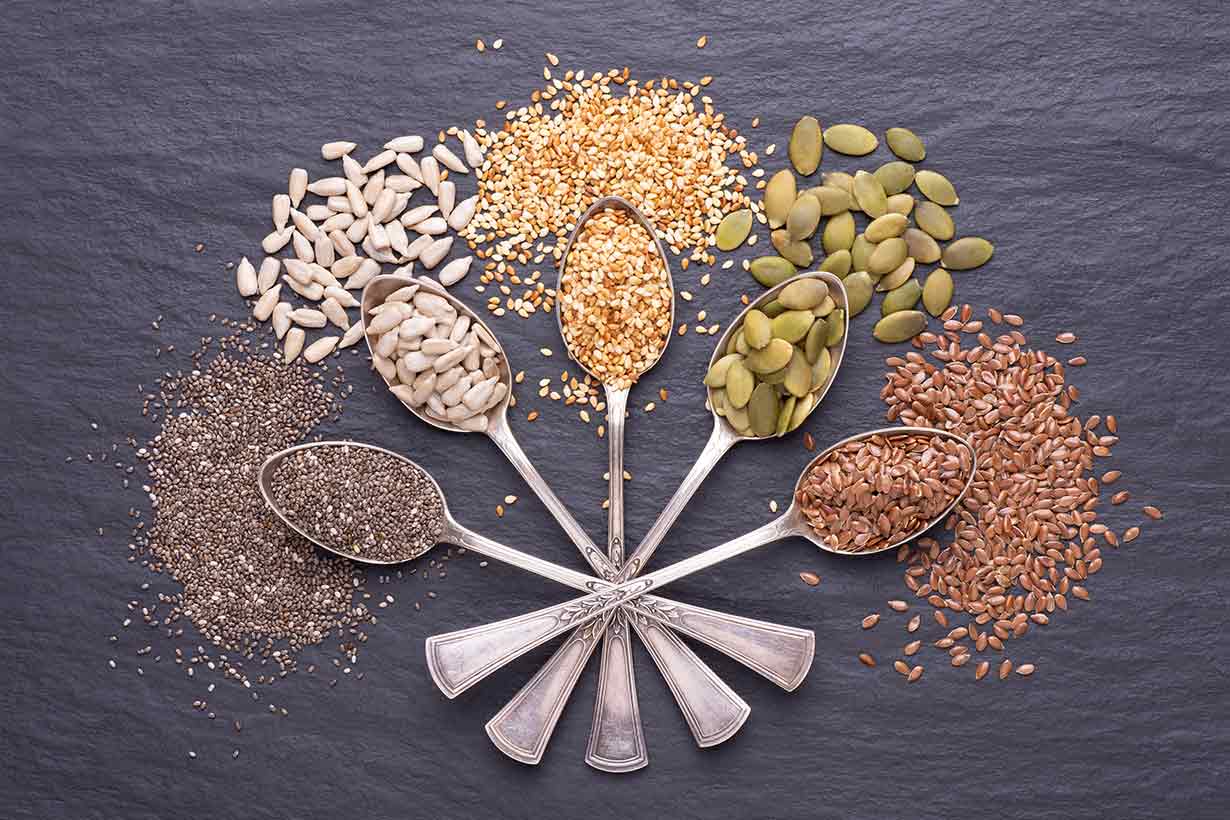
Learn more about edible seeds

7. Potatoes

There is a slight misconception that white or “beige” foods are a poor source of nutrients.

However, potatoes pack quite high levels of several important nutrients, including (17):

  • Vitamin B6
  • Vitamin C
  • Potassium

Furthermore, the satiety index of common foods—a landmark study on the satiating (hunger–controlling) properties of food—listed boiled potatoes as the most satiating choice (18).

Learn more about potatoes

8. Green Tea

If you’re drinking something other than water, green tea is among the healthiest choices.

This popular tea contains several compounds that may have health benefits, including (19):

  • Epigallcatechin gallate (known as EGCG)
  • Kaempferol
  • Quercetin

A 2023 systematic review of seven observational studies found that green tea may lower coronary heart disease (CHD) risk. The review found that, compared to non-consumers, those drinking a cup of green tea per day had an 11% lower risk (20).

Learn more about different types of tea

9. Avocado

Avocados are full of fiber and healthy fats, as well as a good range of vitamins and minerals.

They contain high amounts of (21):

  • Fiber
  • Monounsaturated fat
  • B vitamins
  • Folate
  • Vitamin C
  • Vitamin E
  • Vitamin K
  • Potassium

A 2024 systematic review found that avocados may help to lower cholesterol and LDL-C in people with high cholesterol levels (22).

They can also be used to make guacamole, which—depending on how it’s made—can be a healthy condiment.

Learn more about popular condiments

10. Beef Liver

It may not be an expected inclusion on a list of healthiest foods, and many people don’t like organ meats.

However, beef liver is among the most nutrient-rich foods, useful if you need a boost in specific vitamins and minerals.

For instance, 100 grams of beef liver provides more than 100% of the daily value for (23):

  • Riboflavin (B2)
  • Vitamin A
  • Vitamin B12
  • Copper

It also provides significant amounts of protein, B vitamins, choline, folate, iron, phosphorus, selenium, and zinc.

Learn more about different types of meat

11. Whole-Wheat Pasta

Most of us know that whole grains are much healthier options than refined carbohydrates, with higher levels of fiber, vitamins, and minerals.

One of the easiest ways to include whole grains in the diet is through whole-wheat pasta—a pasta variety that provides a nutritional upgrade to regular pasta.

Whole-wheat pasta is a significant source of (24):

  • Fiber
  • Thiamin (B1)
  • Niacin (B3)
  • Copper
  • Manganese
  • Phosphorus
  • Selenium
  • Zinc

A 2023 systematic review published in the American Journal of Clinical Nutrition, involving 1,624,407 participants, investigated how whole-grain consumption is associated with cardiovascular and all-cause mortality risk.

The review found that, per daily 30-gram increase in whole-grain consumption, cardiovascular disease risk fell by 8% and all-cause mortality was 6% lower (25).

Learn more about whole grains

12. Almonds

Public health advice consistently recommends including nuts in our diet.

One of the best options is almonds, which provide high levels of (2627):

  • Fiber
  • Protein
  • Monounsaturated fats
  • Riboflavin (B2)
  • Vitamin E
  • Manganese
  • Flavonoids
  • Phenolic acids

A large review of randomized controlled trials found that almonds can lower LDL cholesterol (28).

Two recent systematic reviews of randomized controlled trials—published between 2024 and 2025—also indicate that almonds may:

  • Help to lower body weight and subjective hunger (29)
  • Lower levels of C-reactive protein (CRP), a marker of inflammation (30)

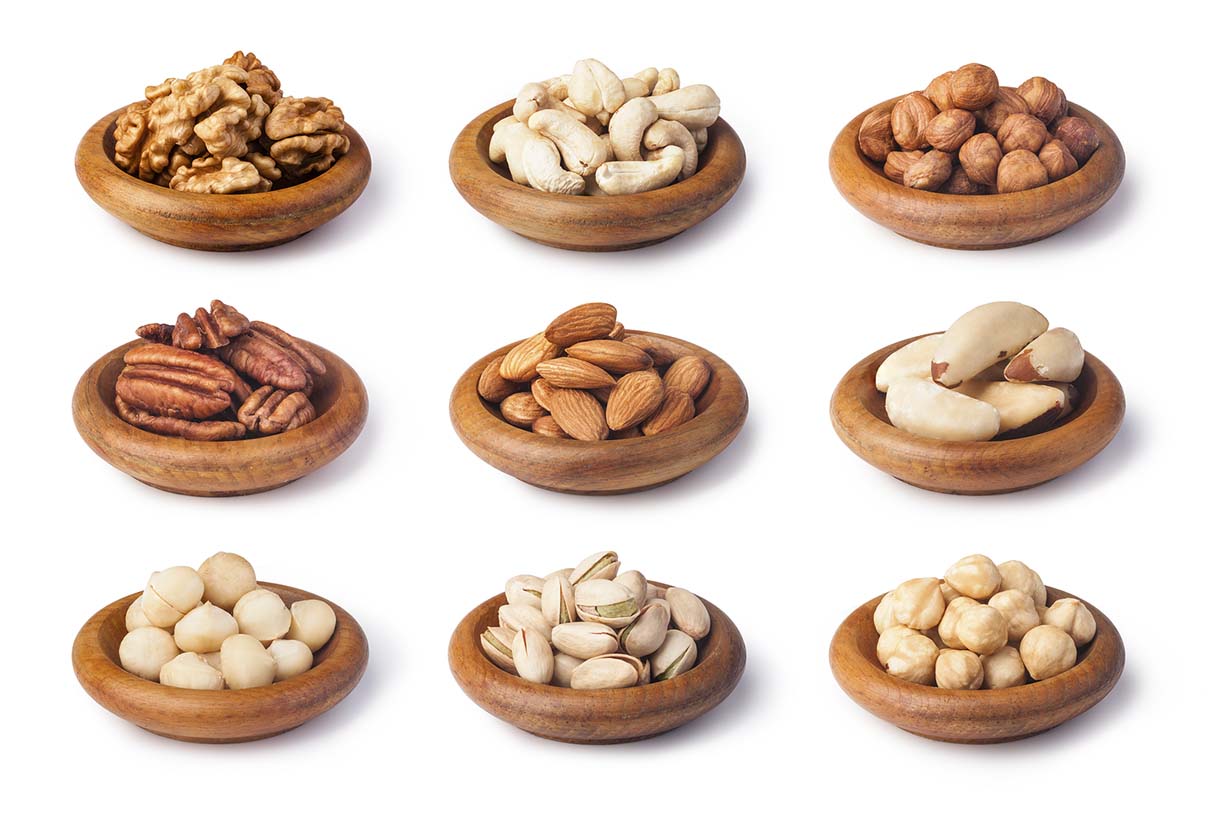
Learn more about nuts

13. Mushrooms

Not only are mushrooms nutrient-rich, but they also provide some interesting compounds that may benefit our health.

In mushrooms, you’ll find high levels of (3132):

  • Riboflavin (B2)
  • Vitamin D (if the mushrooms were UV exposed)
  • Copper
  • Selenium
  • Ergothioneine
  • Beta-glucans

A 2021 systematic review published in the American Journal of Medicine examined the potential cardiovascular benefits of mushrooms, finding (33):

  • Mushroom consumption may lower blood pressure and cholesterol.
  • However, findings on their impact on cardiovascular risk are inconsistent and not conclusive.

Learn more about mushrooms

14. Eggs

Eggs offer a broad range of nutrients in one small package, and they are particularly high in (34):

  • Protein
  • Choline
  • Iodine
  • Selenium
  • Vitamin D

While there used to be concern about the cholesterol content of eggs, dietary cholesterol is now understood to have only a small impact on blood cholesterol for most people.

In this regard, a large 2025 systematic review noted that clinical evidence suggests eggs have a “clinically insignificant” impact on blood cholesterol (35).

Learn more about eggs

15. Coffee

While it only contains low levels of essential vitamins and minerals, coffee contains some interesting phytonutrients that may have benefits.

The most prominent include (36):

  • Chlorogenic acid (most abundant)
  • Cafestol
  • Caffeine
  • Kahweol

While coffee can have potentially negative effects in some people, particularly those sensitive to caffeine, large reviews suggest it is a beneficial drink:

  • A large review published in 2024 found that moderate consumption of coffee is associated with lower all-cause mortality (37)
  • A review of meta-analyses examining various health outcomes found that three to four cups of coffee per day led to reduced risks of cardiovascular and total mortality compared to no coffee (38)

Discover more about coffee

16. Sardines

They don’t enjoy the same popularity as fatty fish like salmon, but sardines offer substantial nutrition for a fraction of the price.

Sardines are rich in (39):

  • Protein
  • Omega-3
  • Niacin (B3)
  • Vitamin B12
  • Vitamin D
  • Calcium
  • Phosphorus
  • Selenium

A 2021 randomized controlled trial found that sardine consumption—at 200g per week—is beneficial for preventing type 2 diabetes in people with prediabetes (40).

Discover 15 oily fish options

17. Chicken Breast

If you’re looking for the most protein per calorie, then chicken breast comes near the top.

Chicken breast isn’t just high in protein, though, and it provides a rich source of (41):

  • Choline
  • Niacin (B3)
  • Vitamin B6
  • Phosphorus
  • Selenium

Additionally, a 2023 systematic review found no links between white meat consumption and cardiovascular disease or type 2 diabetes risk (42).

This lack of association is not seen for all types of meat.

Learn more about red versus white meat

18. Extra virgin olive oil

Extra virgin olive oil is often seen as the healthiest—or one of the healthiest—cooking oils.

Research supports this too, with systematic reviews of randomized controlled trials demonstrating that:

  • Extra virgin olive oil rich in polyphenols may slightly lower LDL cholesterol (43)
  • Polyphenol-rich extra virgin olive oil lowered markers of inflammation and oxidized LDL cholesterol (44)
  • According to a meta-analysis of 27 studies, total olive oil intake was associated with a 16% lower risk of cardiovascular disease per 25-gram daily serving (45)

Extra virgin olive oil is a rich source of vitamin E, monounsaturated fats, and polyphenols like oleocanthal (46).

Learn more about cooking oils

19. Cocoa Powder

There is a big difference between chocolate confectionary and pure cocoa powder.

In fact, just an ounce (28.35 grams) of cocoa powder provides significant amounts of (4748):

  • Fiber
  • Copper
  • Iron
  • Magnesium
  • Manganese
  • Phosphorus
  • Flavanols

Research has demonstrated that cocoa may have several benefits:

  • A 2024 systematic review of controlled trials found that dark chocolate and cocoa reduced markers of inflammation and oxidative stress (49)
  • In a 2024 meta-analysis of 31 randomized controlled trials, cocoa intake led to significant reductions in total cholesterol, LDL-C, and fasting blood sugar. Slight reductions in blood pressure were also observed (50)
  • An earlier 2016 systematic review of randomized controlled trials found that cocoa flavanol intake “significantly improved” blood lipids (cholesterol) and insulin sensitivity. Flavanols are a type of phytonutrient found in cocoa (51).

Learn more about cocoa products

20. Soybeans

Soybeans are a rich provider of (52):

  • Fiber
  • Polyunsaturated fat
  • Protein
  • Riboflavin (B2)
  • Vitamin B6
  • Folate
  • Vitamin K
  • Iron
  • Magnesium
  • Manganese
  • Phosphorus
  • Potassium

In short, they’re full of essential vitamins and minerals. There are various nutrient-rich foods made with soybeans, including:

  • Edamame (immature, green soybeans)
  • Mature soybeans (a dried legume)
  • Tempeh
  • Tofu

A 2022 systematic review of clinical trials demonstrated that soy products may improve cardiovascular health markers in patients with type 2 diabetes (53).

Learn about fermented soy foods

Summary

Not all foods in this article will be the right fit for everyone, considering factors like dietary preferences, ethical beliefs, and allergies.

However, incorporating a variety of the foods listed can help to build the foundation of a healthy diet.

From protein-rich, low-calorie options to foods full of fiber and minerals, each offers something a little different.

Healthy World

  1–6: Fruits and berries Fruits  and berries are popular health foods. They are sweet, nutritious, and easy to incorporate into your diet b...